


Hangry (AKA: That time of year)


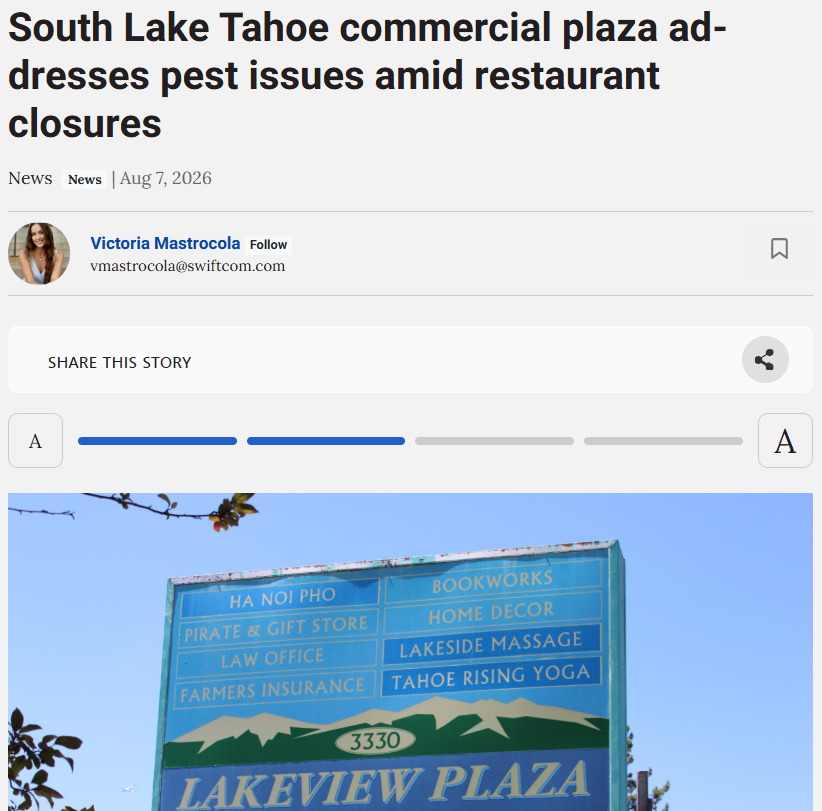
If you scroll through local health department reports, late summer always brings a wave of "red placard" closures. From high-profile venue shutdowns in Florida to resort closures in Hawaii, municipal inspectors are dropping the hammer on commercial kitchens over severe pest activity—hundreds of roach sightings, heavy rodent droppings, and drain flies over prep surfaces.
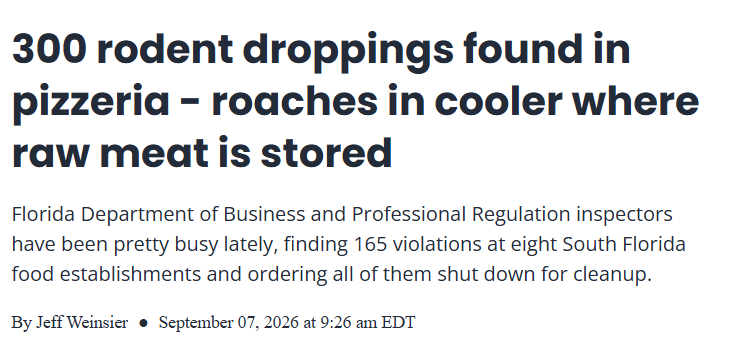
The public reaction is usually immediate outrage. As part of the pest control industry, and having spent plenty of time behind kitchen line doors, I look past the headline shock and dig into these things a bit more.
Pest infestations inside commercial kitchens are rarely a surprise—they are the predictable biological symptom of underlying operational, thermal, and structural failures. That’s right: predictable!

There are a few “hot spots” to look at when it gets to this time of year:
Cold-Chain & Thermal Creep: Late summer heatwaves strain refrigeration motors. When walk-in coolers hover at 45°F instead of 38°F, condensation builds, organic biofilm accumulates on evaporator coils, and German cockroaches, small flies, and more find the exact microclimate they need to thrive.
Drain Biofilm Accumulation: Underneath washing stations and steam kettles, warm grease traps and uncleaned trench drains create a rich organic soup. Drain flies (Psychodidae) and phorid flies don't just appear; they breed inside the unmaintained slime layers of structural plumbing. Not to mention soda machines that never get properly cleaned out.
Structural Exclusion Gaps: Kitchens age under heavy foot traffic. Degraded door sweeps on receiving dock doors, cracked quarry tile grout, and unsealed utility penetrations turn a building perimeter into an open highway for rodents seeking shelter. Sometimes heat waves will even make the structure shift or expand, causing exclusion issues where there weren’t any last week.
And let’s not forget that at the end of summer, pest populations have had the whole season to develop and there’s just lots of them out there. The higher the outside pressure, the more chance of something getting in.
Chelle’s Soapbox - yep, I'm getting up there.
Here is my soapbox moment: A health department closure isn't a pest control failure; it’s a facility-wide maintenance failure. I’ve mentioned before that we can look at many issues, and the pest is merely the symptom. Fixing root causes- those underlying conditions- can eliminate pests and prevent further issues.

Too often, restaurant management expects a monthly chemical application to act as a magical force field against bad sanitation. But active ingredients cannot eliminate pests if you are feeding them through uncleaned grease traps, providing them water via leaking refrigeration lines, and leaving dock doors propped open during summer deliveries.
Spraying a sanitation issue or an exclusion point isn’t going to work. Sure, it may provide a band-aid, but the problems will persist and likely get worse as time goes on.
Don’t even get me started on using an Actisol to regularly spray in kitchens.

To be fair, yes, sometimes we need to put band-aids on problems because it’s going to take some time to fix a gaping hole in the wall or a sanitation issue is recurring. That band-aid can only keep the problem at bay for a short period. Eventually, you are going to bleed through.
So if you are tired of band-aids and unhappy customers (and being featured on the news as the pest control company that’s supposed to be servicing that restaurant), contact me. I can help with that.


Comments