


We Don’t Talk About Bruno (AKA: I’m a treehugger)

In my last job, I had to take “media training” and one of the first things I learned was never use the word “pesticide”. They recommended “treatment” or “product” or something else along those lines. Why? Why shouldn’t we say it? Mostly, it’s because people have a bad image of pesticides, and there is a negative reaction.

The problem with that…pesticide is not a dirty word. It’s part of a well laid out integrated pest management plan. Anyone who’s had considerable pest issues will tell you they want them gone and gone fast. People are expected to spend around 1.5 BILLION dollars every year in the US. So we know people are going to the store and buying their own pesticides for DIY.
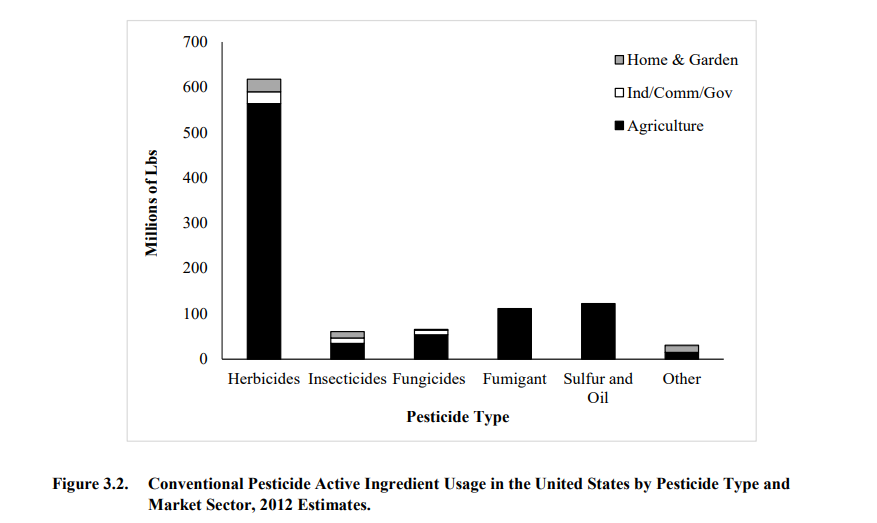

Unfortunately, there are plenty of special interest groups that are more than happy to spread the word about how dangerous pesticides are. A perfect example is secondary poisoning of animals due to rodenticides. States like California and New York are banning the use of certain pesticides despite little to no evidence of the actual harm they may cause. It hits the news that an owl tested positive for rodenticide and people jump to the conclusion that the rodenticide in its system killed it. Not the impact with a vehicle.
At PestWorld last week, I got to sit in on a meeting of RISE – Responsible Industry for a Sound Environment. Does it sound counterintuitive that a group of pesticide manufacturers and users are environmentalist? It shouldn’t. Here’s why:

As professionals, we have a “legal, professional, and ethical obligation” to do things correctly. If I apply a pesticide incorrectly at an account, I could be fined and or jailed. I can lose my license and potentially lose my business. A homeowner can do the same thing, and there are no repercussions. Since pesticide labels are approved by the EPA, they have gathered the necessary environmental data to ensure minimal environmental impacts.

I will argue that using pesticides is better for the environment. Hear me out… Today, there are fantastic pesticide baits that can be used in very small amounts. Instead of spraying down a commercial kitchen, I can use small, targeted placements of bait that will be more effective than a broadcast spray. Basically, using less to do more. Also, as professionals, we know where to apply pesticides for the best results, therefore using less overall. I know that when spiders are getting into a home (and they won’t seal the doors), I don’t have to do a full perimeter treatment; I just have to do small, crack and crevice applications on the ground floor doors.

Responsible pest control companies don’t want to waste pesticides. They don’t want non-target organisms to get to the pesticide because then our target organisms won’t get it, and the problem will persist. This is why DIY’ers typically use a LOT more pesticide products to solve a problem than professionals do because they aren’t aware of the non-target issues and don’t have the knowledge of best placement that the pros do.

Lastly, the pros understand IPM. We are going to ensure our clients know about sanitation, exclusion, and other non-pesticide “things” to do so we don’t need to use a lot of pesticides and the underlying cause of the pest problem gets addressed. Otherwise, we need to keep applying pesticides while the problem persists.
The RISE group is doing great things like holding education sessions at the state and local level to provide the facts around pesticide use. They are working to prevent states from outright banning the use of certain pesticides so we can keep the public safe from health risks, structural issues, and food safety. They are working to stop cities, towns, and small localities from enacting bans. (Can you imagine being a pest control company that now has to remember which towns allow which pesticides?!?!). They are also working to educate the well-meaning public about the benefits of pesticides, their responsible use, and non-target issues.

If you are in the pest control industry, support RISE, your state pest control associations, and the SPAR program. If you aren’t in this industry, look up or ask for information on pesticides. This isn’t a commercial for these organizations; it’s information on them and their benefits. If you are looking to find the best pesticides for individual pests and situations, we do that for you. Contact us!

Lagniappe – still one of my all-time favorite videos!
Urban Pest Consulting


Comments