


Holes in the Story (AKA: It wasn't me!)

When someone finds a hole in a wool coat or a silk rug, the first thing they say is, "A moth ate my clothes!" I hate to be the bearer of bad news (well, maybe I don't, I am an entomologist), but that’s not entirely true. The adult moths you see fluttering around? They don't even have functional mouthparts. They don’t eat anything at all. The real villains are their "teenagers"—the larvae.


Whether you are managing a high-end retail boutique, a museum, or just your own walk-in closet, the puzzle of the clothes moth is all about finding where the kids are hiding. They are the ones that will eat you out of house and home.
We usually deal with two main species. Both are small, light brown, and they have this little fan of hairs at their wing tip. The larvae look like most moth larvae, but this is how to differentiate the species:
Webbing Clothes Moth: These leave behind messy silken tunnels (webbing) as they feed.
Casemaking Clothes Moth: These are the "hermit crabs" of the moth world. They carry a little silken case made of the fibers they’re eating. If they eat your blue rug, they’ll have a blue case!

The webbing clothes moths are much more common, so I’m going to focus on those. Like many of our indoor pests, they like it relatively warm, and the average development time is around 45 days. However, they can still develop as low as 50oF though it will take them over a year!
In homes, clothes moths aren't looking for the clothes you wear every day. Those get laundered regularly and moved around, which means any eggs or larvae get regularly removed. They are after the items that have been tucked away and forgotten about. They like it dark and studies have shown that they will actively move to darker areas.

They need keratin, a protein found in natural fibers like wool, silk, fur, feathers, and even human hair or pet dander. Fun fact: most animals can not digest keratin. These insects have symbiotic gut microbes (kind of like termites) that let them digest it and get the nutrients. They can even feed off of the “dust” that items put off. You know all the lint you find in your dryer after running laundry? Well, those little fibers shed off clothes and other items every day and can build up in hard to reach areas.

It’s more than just home closets. On the commercial and industrial side, clothes moths are a serious threat to numerous industries.

Museums & Curators: I’ve worked with collections where a single infested bird specimen or a wool-backed antique chair threatened an entire gallery. Monitoring is the name of the game here—pheromones are our best friend.
Retail & Warehousing: For high-end apparel stores, an infestation can mean thousands of dollars in "shrinkage" that has nothing to do with shoplifting.
The "Hidden" Source: I once troubleshot a persistent moth issue in a facility that turned out to be an old bird’s nest in the HVAC vents. The larvae were happy as clams eating the feathers and hair in the nest!
If you think you’ve got a moth problem, it’s still basic IPM. With a bit of a twist.
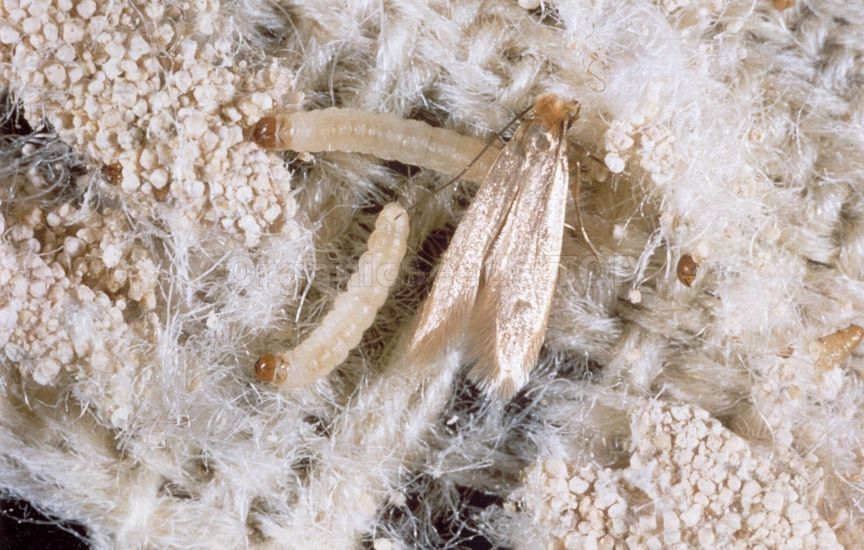
Identify the Source: The damage left by the feeding larvae is probably the most obvious sign and can point to the sources. You can also follow the "frass" (insect poop) and the webbing. Check under heavy furniture, along baseboards, and inside the dark corners of storage bins. Remember, you are looking for natural fibers. These aren’t going to feed on nylon or any other synthetic material.

Pheromone Traps: These won't solve an infestation (they only catch the males), but they are fantastic detectors. If the trap is full, you know exactly which room to start inspecting. It also means you can “follow” the infestation. As infested items are removed and treatments start, you can start to pinpoint exact areas that need more attention and save yourself some time.
Temperature Control: Much like bed bugs, clothes moths hate extremes. For smaller items that can’t be laundered at high temperatures, some can be frozen. For larger commercial spaces, we can look at building wide heat treatments.

Exclusion & Containment: In a warehouse or a home, airtight bins are your best defense. Sometimes items can be isolated and treated with anoxia, fumigants, or other means. If nothing else, the items can be quarantined, and that way, other nearby items don’t become infested and damaged.
Treatments: This is a tricky one because some items can be very delicate (think museum pieces or that antique wool coat) and treatments could damage them further. This is one area you really want to consult a professional on.
Chelle’s soapbox: don’t even get me started on mothballs. I’ll get riled up on another blog post for that one.
Bottom line (final thread?), most people won’t notice clothes moths until they start noticing the damage. At that point, we are in reaction mode, and we still have good options. In highly sensitive accounts (museums, high end carpets), monitoring is essential to catch these early before they do much damage. And don’t forget to contact me to troubleshoot, inspect, train, and just geek out over clothes moths!
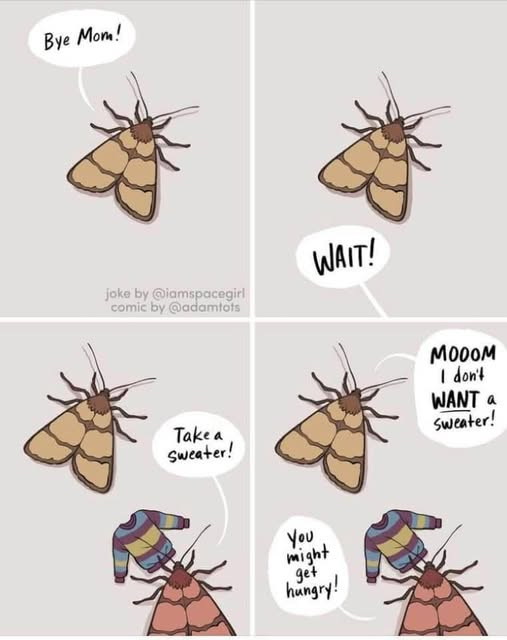
Lagniappe - want to see another keratin eating pest chow down? Of course you do!


Comments